
Women’s Health Supplements
Independent reviews of supplements designed to support hormonal balance, energy, and overall well-being in women — at every life stage.
What to Know About Women’s Health Supplements
Women’s health supplements address a wide range of goals — from hormonal balance and energy to menopause symptom relief. Our reviews focus on ingredient quality, life-stage relevance, and whether the formula is backed by clinical evidence.
Instead of accepting broad wellness claims at face value, we analyze how each formula aligns with the specific physiological changes that affect women’s health, and whether the ingredient stack is appropriate for long-term use.
- Evidence-informed ingredient analysis
- Formula, dosage, and value comparison
- Clear review standards and affiliate transparency

Women’s Health Supplements We’ve Reviewed
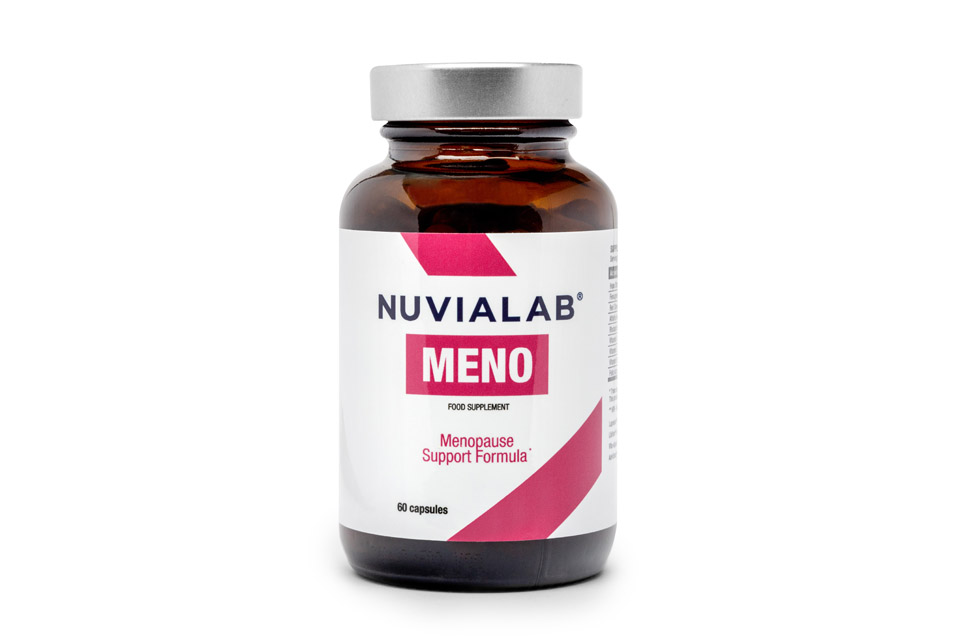
NuviaLab Meno
A multi-ingredient menopause support formula targeting hot flashes, hormonal balance, sleep quality, and energy — designed specifically for women in perimenopause and menopause.
Read Full Review →Choosing a Women’s Health Supplement
Life Stage Matters
Nutritional and hormonal needs differ significantly across reproductive years, perimenopause, and post-menopause. A formula designed for menopause symptom relief (like NuviaLab Meno) is not appropriate as a general women’s wellness supplement, and vice versa.
Hormonal Support Requires Evidence
Supplements targeting hormonal balance should be based on recognized phytoestrogens, adaptogens, or clinically studied botanicals — not vague “balance” claims. Look for standardized extracts at studied doses.
Transparency is Non-Negotiable
Avoid products with proprietary blends that hide individual ingredient doses. Effective women’s health formulas list exact amounts of every active compound — this is the minimum requirement for evaluating safety and efficacy.
Always Consult a Doctor
Supplements that affect hormonal pathways can interact with medications or contraindications specific to your health profile. Editorial reviews are a starting point — not a substitute for medical advice, especially during perimenopause or if you take HRT.