
Heart & Metabolic Health Supplements
Reviewed supplements targeting cholesterol balance, liver support, and cardiovascular function — with honest guidance on risks and interactions.
What to Know About Heart & Metabolic Supplements
Heart and metabolic health supplements target cholesterol balance, liver function, and cardiovascular support. Our reviews focus on clinical evidence, formula logic, and — critically — interaction risks that are often understated in this category.
Instead of accepting lipid-lowering claims at face value, we analyze how each formula aligns with the established mechanisms of cardiovascular risk, and whether the ingredient stack is appropriate for use alongside or independent of medical treatment.
- Evidence-informed ingredient analysis
- Formula, dosage, and value comparison
- Clear review standards and affiliate transparency

Heart & Metabolic Supplements We’ve Reviewed
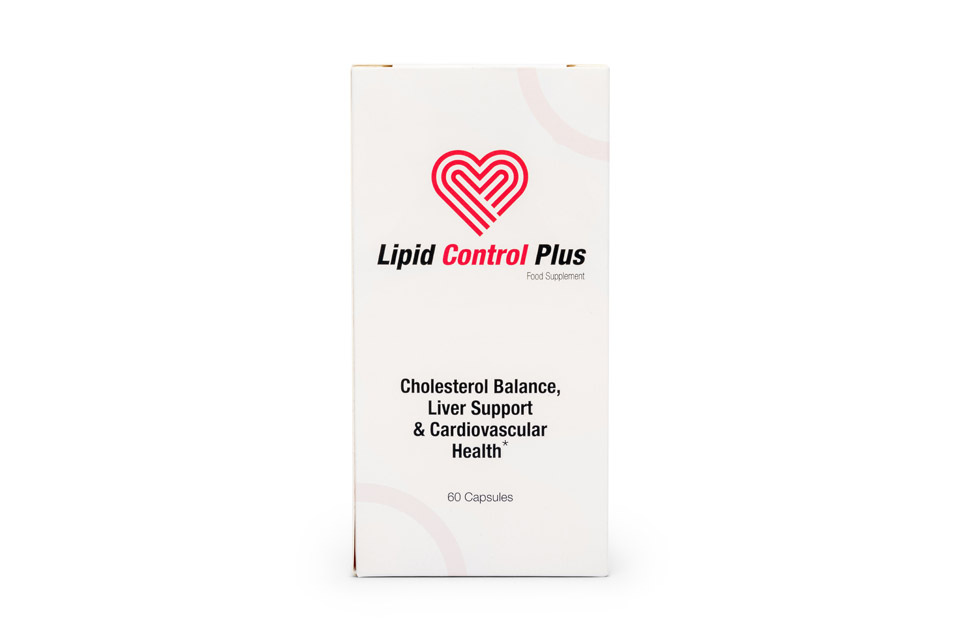
Lipid Control Plus
An 8-ingredient formula covering cholesterol balance, liver detoxification, and cardiovascular support. Includes CoQ10 alongside Red Yeast Rice — a sign of thoughtful formulation.
Read Full Review →Evaluating Heart & Metabolic Supplements
Red Yeast Rice: Effective but Risky to Stack
Red Yeast Rice contains monacolin K — same mechanism as prescription statins. It works, but combining it with statin medications increases the risk of myopathy. If you’re on any cholesterol-lowering medication, consult your doctor before using any supplement in this category.
Liver Health is Part of the Picture
The liver is central to cholesterol metabolism. Supplements that support liver function (Artichoke, Milk Thistle) alongside lipid-lowering compounds address the full metabolic picture — not just the symptom (high LDL).
Measure With Bloodwork
Cholesterol is invisible — you can’t feel it changing. Get a baseline lipid panel before starting any cholesterol supplement, and retest at 12 weeks. Without bloodwork, you have no objective basis for evaluating whether the supplement is working.
Supplements Support — They Don’t Replace
Dietary change (reducing saturated fats, increasing soluble fiber) remains the primary intervention for cholesterol management. Supplements work best as a layer on top of lifestyle changes, not as a standalone fix.